How Long Does It Take to Clear a Song? (Real Timelines)
Honest clearance timelines by scenario, from 3 days for a one-stop indie track to 3 months for an estate-controlled classic, and what actually causes the delays.
The short answer
- One-stop independent track: 3–10 days
- Typical split-rights commercial song: 4–8 weeks
- Famous song, multiple publishers, international use: 6–12 weeks
- Estate-controlled, sample-laden, or "artist personally approves" catalog: 2–6 months, sometimes never
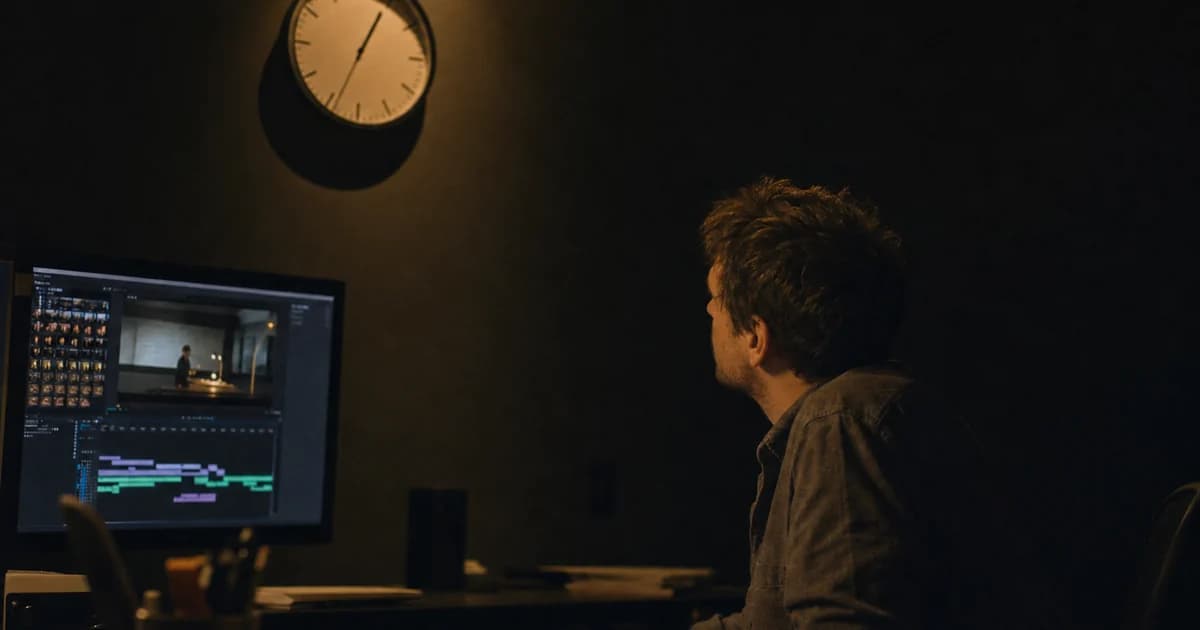
These aren't worst cases. They're normal cases. The edit is locked, the air date is set, and the song still isn't cleared: that scene plays out in production companies every week, and it's almost always a start-date problem, not a money problem.
Why it takes this long (it's not the paperwork)
A clearance is a chain of independent approvals. For a typical split-rights song you're waiting on:
- The label's sync department (master side)
- Every controlling publisher (composition side, routinely 2–8 of them; here's why one song has so many)
- Behind some of those, an artist, manager, or estate who personally approves commercial uses
Each party needs to read your request, check they control the rights for your territory, price it, sometimes seek internal or artist approval, then draft and issue paper. A single week of turnaround per step is good performance, and steps often happen sequentially inside each organization even when you request in parallel.
Five parties × ordinary response times = five to eight weeks. Nobody was slow. Nobody said no. It just takes that long.
What makes it slower
- A vague request. "We'd like to use your song in our project" guarantees a clarification round-trip. There goes a week. Define media, territory, term, and prominence in the first email.
- The wrong recording identified. Remasters and re-releases carry different IDs than the originals; a request referencing the wrong one bounces between departments.
- Approval-required artists and estates. Some catalogs require the artist or estate to personally bless every commercial use. That approval follows their calendar, not yours.
- Territory splits. The publisher who controls the US share may not control it in Germany. International uses can add a sub-publisher layer per market.
- Holiday seasons and release cycles. Sync departments go quiet around major releases and December. Plan around it.
- Samples. If the song contains samples, each sample's rights holders may need to approve too. This can double the chain.
What actually speeds it up
- Start when the shortlist forms. Not when the cut locks. This is 80% of the game.
- Request all parties in parallel: master and every publisher on the same day.
- Send a complete, precise use definition in the first email (the step-by-step clearance guide has the exact checklist).
- Include a real deadline, stated plainly. Broadcast dates move rights holders; vague urgency doesn't.
- Offer market-realistic numbers. Lowball offers don't get fast rejections. They get silence.
- Favor one-stops when time is short. One party controlling both sides can close in days.
The deadline math you should run today
Work backwards from your air date or delivery:
| Milestone | When |
|---|---|
| Licenses signed (both sides) | Delivery minus 1 week |
| Negotiation window | 2–3 weeks before that |
| Quotes received | 2–4 weeks before that |
| Requests sent | The day the shortlist exists |
For a commercial airing in 6 weeks with a split-rights song, you are already on the critical path the day the creative is approved. For a film festival premiere, clear your key sync moments during the shoot. Post is too late for a famous track.
The backup rule
Until every license is signed, keep at least one alternative alive that you know clears: a one-stop, a pre-cleared catalog track, or a second choice whose holders already responded. One unanswered email from one publisher can strand your primary song at week seven, and the only good answer to that is a backup you can drop in without re-cutting the scene.
This is also the professional's honest test of a shortlist: not "which songs do we love?" but "which songs can actually be ours by the deadline?"
Know before you start: complexity is checkable
The difference between a 3-day clearance and a 3-month clearance is visible before you send a single email. It's in who controls the song and how many of them there are. That's what Music Oracle shows you: paste the track, see the master and publishing sides and a complexity flag, plus a fee estimate for your use.
Running a whole shortlist against a real deadline? The Quick Check (€150) does exactly this for up to 10 tracks, with a supervisor's verdict on which will clear in time, before you commit the edit. Already locked on one track? Single Track Clearance (from €300) takes the waiting and chasing off your plate: I contact every rights holder, negotiate, and coordinate the deal. Your Quick Check fee credits toward clearance if you book within 60 days.
Key takeaways
- Normal clearance is weeks, not days: 4–8 weeks for a typical split-rights song.
- The timeline is driven by how many parties must approve, not by your budget.
- Start clearance the day the shortlist forms. Starting late is the one unfixable mistake.
- Request all rights holders in parallel with a precise use definition and a real deadline.
- Keep a backup track alive until every signature is in.
- Complexity is visible upfront. Check who controls the song before you fall in love with it.
Frequently asked questions
- How long does it take to clear a song?
- From about 3 days for a one-stop independent track to 4–8 weeks for a typical split-rights commercial song, and 2–6 months for complicated cases (estates, samples, many publishers, or unresponsive rights holders). The timeline is driven by how many parties must approve, not by how much you pay.
- Can music clearance be rushed?
- Somewhat. Parallel requests, a precise use definition, and a realistic offer speed things up, and some rights holders respond to real broadcast deadlines. But you cannot force an approval. A rush fee buys attention, not consent. The only reliable acceleration is starting earlier.
- When should I start clearing music for my project?
- The day a song makes your shortlist, not when the edit locks. For commercials, start clearance in the same week the creative is approved. For films, begin clearing key sync moments during production, not in post.
- What takes so long in the clearance process?
- Waiting. Each controlling party (one label plus every publisher) has to respond, quote, get internal (sometimes artist or estate) approval, and issue paper. Five parties each taking a normal week of turnaround is over a month even when nobody says no.
- What if the song isn't cleared by my deadline?
- You ship the backup. Professionals keep a cleared or clearable alternative alive until every license is signed, precisely because a single non-response can strand the primary choice. No signed license, no broadcast. No exceptions worth the risk.
Renato Horvath
Music supervisor and licensing expert with over a decade of experience in film, advertising, and content production. Founder of Eastaste (2012) and member of the UK & European Guild of Music Supervisors.
Related articles
Why ChatGPT Can't Tell You Who Owns a Song's Rights
AI and Google give you a plausible publisher name. Clearance needs the exact recording, every writer, and every publisher share. Here is the difference, and why the gap can sink a deal.
How to Clear a Song for a Film or Commercial (Step by Step)
The exact clearance process a music supervisor follows: identify both rights holders, define the use, request quotes, negotiate, and paper the deal, without blowing your deadline.